Artificial intelligence is transforming the world of work at an unprecedented pace. From automating routine tasks to analyzing vast datasets, AI systems are reshaping industries, redefining roles, and creating new ways for humans and machines to collaborate. As AI technology continues to evolve, it offers both remarkable opportunities and significant challenges for employment. Understanding these dynamics is critical for workers, organizations, policymakers, and society as a whole.
The future of employment in an AI-driven world is neither dystopian nor entirely utopian. It is complex and nuanced, requiring a careful balance between embracing innovation and mitigating its potential risks. AI has the potential to enhance productivity, generate new job categories, and unlock economic growth. At the same time, it threatens to disrupt traditional roles, exacerbate inequality, and challenge existing labor structures. By examining the opportunities and threats associated with AI in employment, society can better navigate the transition toward a future of work that is both innovative and inclusive.
The Opportunities AI Brings to Employment
Artificial intelligence has the capacity to augment human capabilities and redefine the way work is performed. One of the primary opportunities lies in automation of repetitive tasks. AI systems can handle routine and time-consuming activities, freeing employees to focus on higher-value work that requires creativity, problem-solving, and interpersonal skills. In industries such as finance, healthcare, and logistics, AI enables professionals to make faster, more accurate decisions while reducing human error.
Creation of new job categories is another significant benefit. While AI may replace certain roles, it also generates demand for new positions that did not exist a decade ago. Roles in AI system design, data science, machine learning engineering, algorithm auditing, and AI ethics are in high demand. Additionally, AI fosters opportunities in fields such as robotics maintenance, cybersecurity, and human-AI interaction, reflecting the shift toward more technologically sophisticated work environments.
AI can also enhance workplace efficiency and productivity. By analyzing large datasets, AI can identify trends, predict outcomes, and provide actionable insights. This capability empowers workers to make informed decisions, optimize workflows, and innovate faster. In manufacturing, AI-powered predictive maintenance can reduce downtime and extend equipment lifespan. In marketing, AI-driven analytics allow teams to tailor campaigns with precision and reach the right audiences effectively.
Remote work and flexible employment are also influenced by AI. Digital collaboration tools, intelligent scheduling systems, and AI-driven project management platforms support flexible work arrangements, allowing employees to balance professional responsibilities with personal life. This flexibility enhances job satisfaction and broadens access to employment opportunities beyond traditional geographic boundaries.
Enhancing Human Skills Through AI Collaboration
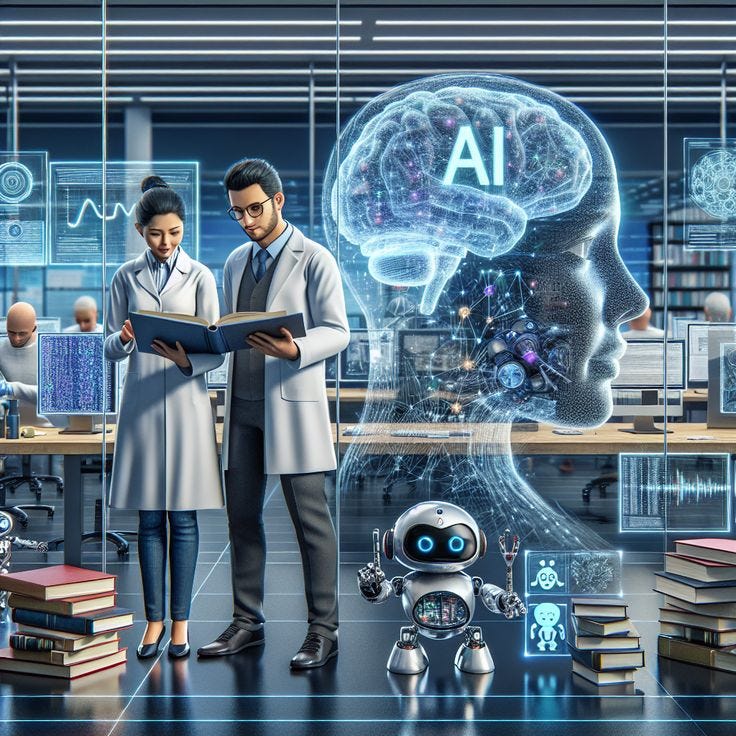
Rather than replacing humans entirely, AI often complements human skills. By taking over routine or data-intensive tasks, AI allows workers to focus on areas that require creativity, empathy, and strategic thinking. In healthcare, AI assists doctors by providing diagnostic insights, enabling them to spend more time with patients and develop personalized treatment plans. In education, AI can automate grading and administrative tasks, allowing teachers to dedicate more time to instruction and mentorship.
AI also facilitates continuous learning and upskilling. Intelligent training platforms and adaptive learning systems help employees develop new competencies aligned with evolving job requirements. As industries embrace digital transformation, lifelong learning becomes essential. AI can guide this process by identifying skills gaps, recommending personalized learning paths, and tracking progress over time.
Threats AI Poses to Employment
Despite the opportunities, AI presents several significant threats to the labor market. Job displacement is perhaps the most immediate concern. Roles that involve repetitive, predictable, or routine tasks are particularly vulnerable to automation. Industries such as manufacturing, customer service, and administrative support are already experiencing changes in workforce requirements. Workers in these sectors face the challenge of adapting to new roles or transitioning to different industries entirely.
Economic inequality is another major risk. AI adoption tends to favor workers with advanced technical skills, education, and digital literacy, while low-skill or routine positions are more susceptible to automation. This divergence can widen wage gaps, create regional disparities, and exacerbate social inequality. Ensuring equitable access to reskilling and upskilling programs is essential to mitigating these effects.
Skill obsolescence is a related concern. As AI continues to evolve, the demand for certain skills may decline, leaving workers unprepared for emerging job requirements. Lifelong learning becomes crucial, but not all employees have equal access to training resources. Organizations, educational institutions, and governments must collaborate to provide comprehensive reskilling initiatives that keep pace with technological advancements.
Psychological and social impacts also emerge in an AI-driven workplace. Job insecurity, anxiety about automation, and changing workplace dynamics can affect mental health and employee engagement. Workers may feel pressure to constantly adapt, compete with AI systems, or meet heightened performance expectations. Organizations must address these challenges by fostering supportive work environments and emphasizing human-AI collaboration rather than replacement.
The Role of Education and Upskilling
Education plays a pivotal role in preparing the workforce for AI-driven employment landscapes. Traditional curricula may no longer suffice in equipping students with the skills required for emerging roles. Emphasis on digital literacy, critical thinking, problem-solving, and adaptability is essential.
Workplace training programs, vocational education, and online learning platforms contribute to workforce readiness. AI can itself be a tool for education, providing personalized learning experiences, skill assessments, and real-time feedback. By integrating AI into learning frameworks, workers can develop competencies aligned with industry demands while staying competitive in the evolving job market.
Government initiatives and public-private partnerships are also critical in addressing skill gaps. Policies that promote access to technology education, subsidize reskilling programs, and incentivize continuous learning help create a resilient workforce capable of adapting to AI-driven transformations.
Ethical Considerations in AI-Driven Employment
The rise of AI in employment introduces several ethical considerations. Fairness in hiring is a central issue. AI-driven recruitment tools can streamline candidate screening and reduce human biases, but if trained on biased datasets, they can perpetuate discrimination. Ensuring that algorithms are transparent, auditable, and free from discriminatory bias is essential to uphold fairness and inclusivity.
Worker privacy and surveillance are also concerns. AI systems capable of monitoring productivity, tracking employee behavior, and analyzing performance metrics raise questions about consent, autonomy, and workplace boundaries. Organizations must balance efficiency gains with respect for employee privacy and establish clear policies regarding data collection and usage.
Accountability is another ethical dimension. When AI systems make decisions affecting employment, such as layoffs, promotions, or performance evaluations, it is crucial to determine who is responsible for outcomes. Maintaining human oversight and decision-making authority ensures accountability and prevents unfair or harmful practices.
Strategies for Navigating AI in the Workforce
To harness the benefits of AI while mitigating its threats, several strategies are essential:
- Human-AI collaboration: Organizations should design workflows where AI complements human capabilities rather than replacing them entirely. This approach maximizes productivity while preserving employment opportunities.
- Lifelong learning: Employees must embrace continuous education to develop new skills aligned with emerging AI applications. Employers and governments should support access to reskilling programs and learning platforms.
- Ethical AI implementation: Transparent, fair, and accountable AI systems are critical. Organizations must audit algorithms, monitor for biases, and ensure decisions align with ethical principles.
- Inclusive workforce planning: Policies and practices should ensure that AI adoption benefits all workers, addressing inequality and promoting equitable access to opportunities.
- Adaptable regulations: Governments and policymakers must develop regulatory frameworks that protect workers, promote responsible AI use, and anticipate technological changes in the labor market.
The Future Landscape of Work
Looking ahead, the nature of work will evolve alongside AI. Roles emphasizing creativity, emotional intelligence, complex problem-solving, and human interaction are likely to thrive. Jobs that require repetitive, routine, or manual tasks may decline, necessitating transitions and retraining for affected workers.
Emerging sectors, such as AI system development, data analytics, and digital transformation consulting, will create new employment opportunities. Additionally, hybrid roles combining human judgment with AI capabilities will become increasingly common, reflecting a shift toward collaborative intelligence rather than full automation.
Organizations that proactively embrace AI, invest in workforce development, and prioritize ethical deployment will be well-positioned to navigate this transformation. Workers who cultivate adaptability, technological literacy, and lifelong learning skills will find new opportunities to thrive in the AI-driven economy