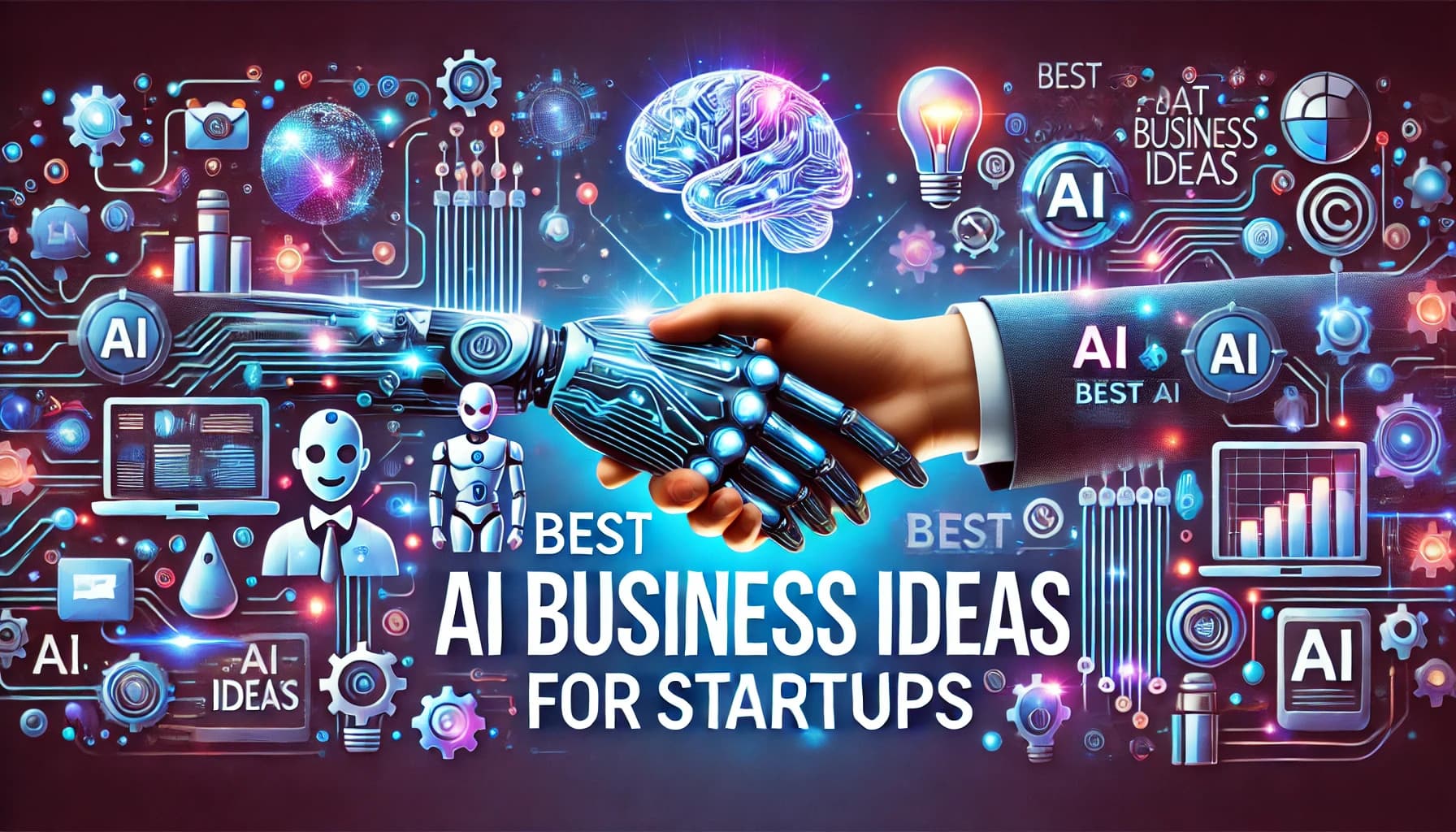
Artificial intelligence has moved beyond experimentation and entered the core of modern business and industry. What was once viewed as an emerging technology is now a strategic foundation shaping how organizations operate, compete, and grow. Across sectors, artificial intelligence is transforming decision making, optimizing operations, enhancing customer experiences, and redefining the nature of work. Its influence is no longer limited to technology companies. Manufacturing, healthcare, finance, retail, logistics, and education are all being reshaped by intelligent systems.
The integration of artificial intelligence into business and industry is not simply about automation or efficiency. It represents a deeper shift in how organizations understand data, respond to change, and create value. Companies that adopt artificial intelligence thoughtfully are gaining new insights, improving resilience, and positioning themselves for long-term success in an increasingly complex global economy.
This article explores how artificial intelligence is transforming business and industry, the key areas of impact, the opportunities it creates, and the challenges organizations must navigate to use it responsibly and effectively.
The Strategic Role of Artificial Intelligence in Modern Business
Artificial intelligence has become a strategic asset rather than a technical add-on. Businesses now use intelligent systems to support core functions such as planning, forecasting, and decision making. By analyzing vast amounts of data in real time, artificial intelligence helps leaders identify patterns, anticipate risks, and respond more quickly to changing market conditions.
In competitive markets, speed and accuracy are critical. Artificial intelligence enables organizations to process information at a scale and depth that human teams alone cannot achieve. This capability allows businesses to move from reactive decision making to proactive strategy. Instead of responding to problems after they arise, organizations can anticipate challenges and opportunities before they become visible.
Artificial intelligence also supports strategic alignment. By integrating insights across departments, businesses gain a more holistic view of performance. This alignment improves coordination and ensures that decisions are informed by comprehensive and up-to-date information.
AI in Operations and Process Optimization
One of the most significant impacts of artificial intelligence in industry is process optimization. Intelligent systems analyze workflows, identify inefficiencies, and recommend improvements. In manufacturing, artificial intelligence supports predictive maintenance, quality control, and production planning, reducing downtime and improving consistency.
In logistics and supply chain management, artificial intelligence enhances visibility and coordination. By analyzing demand patterns, transportation data, and external factors, businesses can optimize inventory levels and delivery routes. This reduces costs while improving reliability and customer satisfaction.
Automation powered by artificial intelligence goes beyond repetitive tasks. Intelligent systems can adapt to changing conditions and learn from outcomes, making them more flexible than traditional automation tools. This adaptability is particularly valuable in industries facing volatile demand or complex operational environments.
Transforming Customer Experience Through AI
Customer experience has become a key differentiator in modern business, and artificial intelligence plays a central role in enhancing it. Intelligent systems analyze customer behavior, preferences, and feedback to deliver more personalized and responsive interactions.
In retail and digital services, artificial intelligence supports recommendation systems, dynamic pricing, and targeted communication. These capabilities help businesses understand individual customer needs and tailor offerings accordingly. The result is a more engaging and relevant experience that builds loyalty and trust.
Customer support has also been transformed by artificial intelligence. Intelligent chat systems and virtual assistants provide immediate assistance, handle routine inquiries, and support human agents by offering contextual information. When designed thoughtfully, these systems improve efficiency while maintaining a human-centered approach to service.
Data Driven Decision Making in Industry
Data is the foundation of artificial intelligence, and its effective use has become a defining feature of successful organizations. Artificial intelligence enables businesses to turn raw data into actionable insights, supporting more informed and confident decision making.
In finance, artificial intelligence is used for risk assessment, fraud detection, and investment analysis. By identifying subtle patterns and anomalies, intelligent systems enhance accuracy and reduce exposure to risk. In healthcare and life sciences, artificial intelligence supports research, diagnostics, and operational planning, accelerating innovation while improving outcomes.
The value of data driven decision making lies not only in accuracy but also in consistency. Artificial intelligence applies the same analytical standards across situations, reducing bias and variability in routine decisions. When combined with human judgment, this consistency supports more balanced and transparent outcomes.
Artificial Intelligence and Workforce Transformation
The relationship between artificial intelligence and the workforce is one of the most widely discussed aspects of its impact on business and industry. Rather than simply replacing jobs, artificial intelligence is reshaping roles and redefining skill requirements.
Intelligent systems take over repetitive and data-intensive tasks, allowing employees to focus on creative, strategic, and interpersonal work. This shift can enhance job satisfaction and productivity when supported by appropriate training and organizational culture.
However, workforce transformation also presents challenges. Employees must adapt to new tools and workflows, and organizations must invest in reskilling and continuous learning. Businesses that view artificial intelligence as a partner to human talent, rather than a substitute, are better positioned to achieve sustainable success.
AI in Innovation and Product Development
Artificial intelligence is accelerating innovation across industries by enhancing research, design, and development processes. Intelligent systems analyze trends, simulate outcomes, and generate insights that support faster and more informed experimentation.
In product development, artificial intelligence helps identify unmet customer needs and test design options efficiently. By reducing uncertainty and shortening development cycles, businesses can bring new products and services to market more quickly and with greater confidence.
Innovation driven by artificial intelligence is not limited to technology products. Traditional industries such as agriculture, construction, and energy are also using intelligent systems to develop more sustainable and efficient solutions. This broad impact highlights artificial intelligence as a catalyst for cross-sector innovation.
Ethical and Responsible Use of AI in Business
As artificial intelligence becomes more influential, ethical considerations have become central to its business adoption. Decisions made by intelligent systems can affect individuals, communities, and markets. Ensuring fairness, transparency, and accountability is therefore a critical responsibility for organizations.
Businesses must consider how data is collected, how models are trained, and how outcomes are evaluated. Bias in data or design can lead to unfair or harmful results. Ethical artificial intelligence requires ongoing monitoring and a willingness to address unintended consequences.
Organizations such as World Economic Forum and OECD have emphasized responsible artificial intelligence practices in business, highlighting the importance of trust and social impact. Companies that prioritize ethical use are more likely to build long-term credibility and customer confidence.
Industry Leadership and Global Competition
Artificial intelligence has become a key factor in global economic competition. Companies and countries that lead in artificial intelligence development and adoption gain advantages in productivity, innovation, and influence. This dynamic is shaping investment patterns and industrial strategies worldwide.
Technology leaders such as Microsoft, Google, and Amazon provide platforms and tools that enable businesses across industries to integrate artificial intelligence into their operations. These ecosystems lower barriers to adoption while raising questions about dependence and market concentration.
For businesses, competing in an artificial intelligence driven landscape requires not only access to technology but also strategic vision. Successful organizations align artificial intelligence initiatives with clear business goals and invest in talent, governance, and culture to support long-term growth.
Challenges in AI Adoption for Business and Industry
Despite its potential, adopting artificial intelligence is not without challenges. Data quality, integration complexity, and organizational resistance can slow or undermine implementation. Many businesses struggle to move from pilot projects to scalable solutions.
Another challenge is the gap between technical capability and business understanding. Artificial intelligence initiatives are most effective when technical teams and business leaders collaborate closely. Bridging this gap requires shared language, clear objectives, and mutual trust.
Security and reliability also remain concerns. As artificial intelligence systems become more central to operations, ensuring their robustness against errors and misuse is essential. Businesses must invest in governance frameworks that support safe and resilient deployment.
The Future of AI in Business and Industry
Looking ahead, artificial intelligence will continue to deepen its influence across business and industry. Advances in learning systems, automation, and human machine collaboration will expand the range of tasks that intelligent systems can support. The focus will increasingly shift from adoption to optimization and integration.
Future business success will depend on how well organizations balance innovation with responsibility. Artificial intelligence will reward those who invest in people as much as in technology, fostering cultures of learning, adaptability, and ethical awareness.
As industries evolve, artificial intelligence will not eliminate the need for human judgment. Instead, it will amplify human potential, enabling better decisions, more creative solutions, and more sustainable operations. The businesses that thrive will be those that view artificial intelligence as a long-term partner in growth rather than a short-term tool