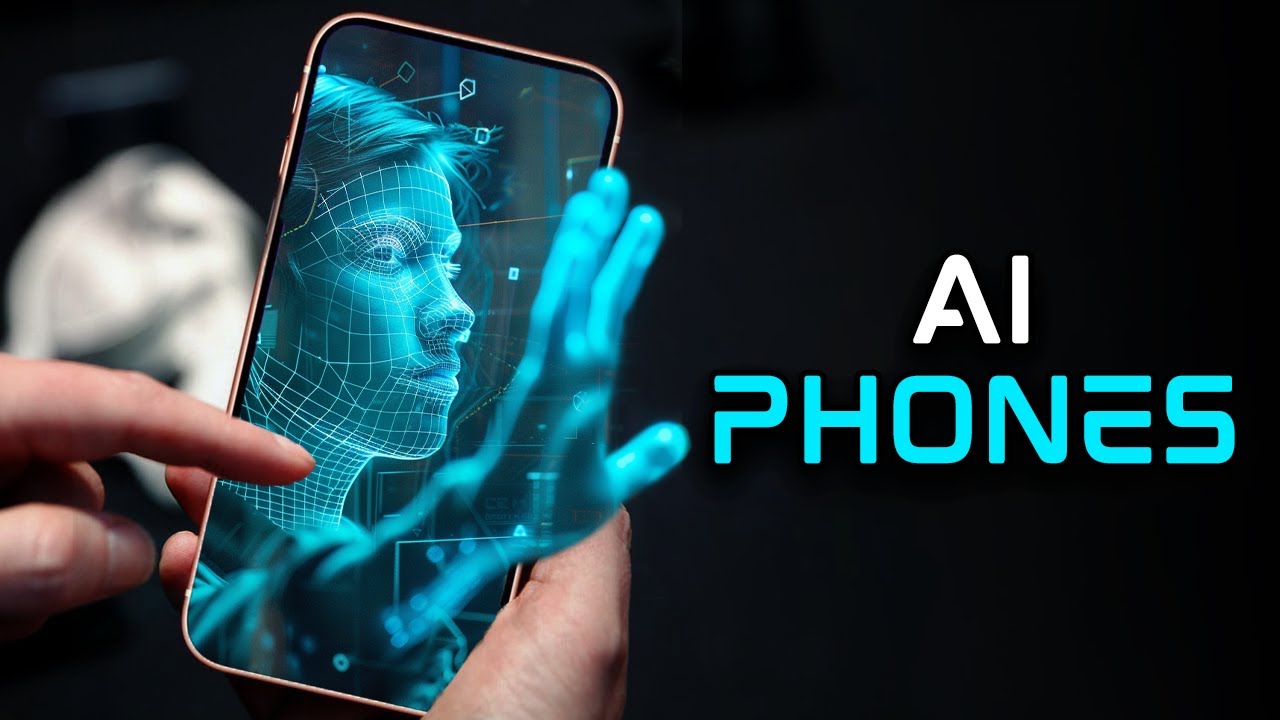
The smartphone industry continues to experience an era of transformative change, with artificial intelligence emerging as the driving force behind many of the latest innovations. In 2025, smartphones are no longer mere communication tools—they are intelligent companions capable of anticipating user needs, enhancing productivity, and redefining personal and professional experiences. This article explores the most significant AI-driven smartphone innovations of 2025, focusing on design, performance, software, camera systems, connectivity, user experience, and sustainability.
AI-Powered Design Innovations
Intelligent Foldable and Flexible Displays
Foldable smartphones, once a novelty, have matured into highly sophisticated devices, enhanced by AI-driven optimization. Artificial intelligence algorithms analyze user behavior to adjust display settings, optimize energy consumption, and improve multitasking across foldable and flexible screens. These AI-integrated systems also predict usage patterns, enabling smoother transitions between modes, such as tablet and phone configurations.
Multi-fold designs, dual-screen setups, and seamless hinge mechanisms are supported by AI to detect stress points, reduce wear and tear, and adapt brightness, color calibration, and touch responsiveness in real-time, enhancing both durability and user experience.
AI-Enhanced Under-Display Technology
Under-display cameras and sensors have advanced with AI algorithms that compensate for image distortion and optimize sensor performance. AI manages light exposure and lens sensitivity to produce clearer selfies, better facial recognition, and accurate biometric verification even under challenging lighting conditions. This technology ensures that screens remain uninterrupted and aesthetically sleek while maintaining functionality.
Adaptive Materials and Smart Durability
AI-driven smartphone designs incorporate materials that dynamically adjust their properties for protection and performance. For instance, intelligent coatings respond to temperature changes, dispersing heat generated by high-performance processors. AI also assists in monitoring device integrity, predicting potential failures, and suggesting maintenance or software updates to prevent damage, effectively extending the smartphone’s lifespan.
Camera Technology Transformed by AI
Multi-Lens Systems Optimized by AI
AI plays a central role in orchestrating multi-lens camera systems. Smartphones in 2025 feature ultra-high-resolution main sensors, telephoto lenses, macro lenses, and depth-sensing cameras, with AI managing coordination between each lens. Real-time scene analysis allows AI to select the best lens, adjust focus, and optimize exposure for every shot, enhancing photographic outcomes across various environments.
Computational Photography at Its Peak
AI-driven computational photography has redefined the art of smartphone imaging. Advanced algorithms analyze the scene in real time, adjusting colors, contrast, and lighting to produce professional-quality images. AI also enables instant background removal, bokeh effects, and noise reduction without human intervention, allowing users to capture visually stunning photographs effortlessly.
Intelligent Video Creation
Video recording capabilities have been enhanced through AI stabilization, motion prediction, and adaptive frame rendering. Smartphones can now produce cinematic-grade footage in ultra-high definition, with AI managing dynamic lighting, focus transitions, and even post-production effects such as color grading and motion blur. Real-time AI analysis ensures optimal composition and image quality in all conditions, making mobile filmmaking more accessible than ever.
AI-Driven Performance Enhancements
Smart Processors and AI Co-Processors
The heart of modern smartphones lies in AI-integrated processors. Next-generation chips combine multi-core CPU and GPU architectures with dedicated AI co-processors. These AI cores handle tasks such as image processing, predictive app behavior, adaptive energy management, and real-time voice recognition, reducing the load on traditional processors and improving efficiency.
AI co-processors also enable faster machine learning model execution directly on the device, ensuring privacy, low latency, and minimal reliance on cloud computing. This combination delivers seamless multitasking, high-end gaming performance, and smooth AR and VR experiences.
Intelligent Thermal Management
High-performance smartphones generate significant heat during gaming, video editing, and AI processing. AI-based thermal management systems monitor usage in real time, adjusting CPU and GPU activity, display brightness, and battery consumption to maintain optimal temperatures. This adaptive approach prevents overheating, extends device longevity, and ensures consistent performance under demanding conditions.
Connectivity Revolutionized by AI
AI-Optimized 6G Networks
While 5G has become standard, 6G technology is being introduced with AI-enhanced capabilities. AI algorithms manage network traffic, reduce latency, and dynamically allocate bandwidth to ensure seamless connectivity, even in congested urban areas. These capabilities support applications such as real-time holographic communication, cloud-based gaming, and AI-driven augmented reality experiences.
Satellite and Edge Connectivity
AI integration in satellite-enabled smartphones allows intelligent switching between terrestrial networks and satellite signals. AI predicts signal loss, optimizes route selection, and maintains data consistency in real time. Edge computing integration further ensures that latency-sensitive applications, such as autonomous navigation and real-time video editing, perform reliably without reliance on distant servers.
Smart Wi-Fi Management
AI-powered Wi-Fi systems now analyze network environments, automatically selecting the most reliable frequency, managing connected devices, and optimizing speed and latency. This intelligent network management ensures that multiple devices in homes and offices maintain optimal performance without manual intervention.
AI-Enhanced User Experience
Personal Assistants with Predictive Intelligence
Modern AI assistants have evolved beyond voice commands and reminders. Predictive intelligence allows smartphones to anticipate user needs, suggest tasks, schedule activities, and even recommend content based on behavioral patterns. These assistants learn preferences over time, adapting to both work and leisure routines to improve productivity and convenience.
Gesture and Voice Interaction
AI-powered gesture recognition and voice control have reached a level of natural interaction, enabling touchless navigation, context-aware commands, and adaptive controls based on environmental factors. These systems improve accessibility for users with disabilities and provide a seamless hands-free experience in a variety of scenarios.
Adaptive Display and Interface
Smartphones now feature AI-driven adaptive interfaces that change dynamically according to user behavior, context, and application usage. AI adjusts screen layouts, brightness, text size, and theme settings to optimize readability and usability. This personalization ensures that devices are both user-friendly and energy-efficient.
Artificial Intelligence in Security and Privacy
Multi-Modal Biometric Security
AI-driven security systems combine facial recognition, iris scanning, voice patterns, and behavioral biometrics for multi-layered authentication. Continuous authentication monitors user behavior, detecting anomalies such as unusual typing patterns or location changes to protect against unauthorized access.
Threat Detection and Privacy Safeguards
AI algorithms detect malware, phishing attempts, and suspicious network activity in real time. Privacy features use AI to identify and block data collection attempts, ensuring secure communication, sensitive data protection, and compliance with privacy regulations without requiring constant user oversight.
Battery and Energy Management
AI-Optimized Power Consumption
AI monitors usage patterns and predicts power requirements, intelligently adjusting background processes, screen brightness, connectivity, and app performance to maximize battery life. Predictive energy management ensures that smartphones last longer on a single charge, particularly during intensive activities such as gaming or streaming.
Fast Charging with AI Control
AI algorithms manage charging cycles to prevent overheating, battery degradation, and efficiency loss. Adaptive charging adjusts current and voltage dynamically based on battery health, usage patterns, and ambient temperature, ensuring longer battery life and safe, rapid charging.
Emerging Energy Technologies
Some 2025 smartphones integrate experimental AI-driven energy harvesting technologies, including solar panels and kinetic energy collection. AI predicts optimal harvesting conditions, ensuring a steady supplemental power supply and enhancing sustainability.
AI and Augmented Reality Integration
Intelligent AR Applications
AR experiences are becoming more immersive thanks to AI-powered object recognition, spatial mapping, and predictive rendering. Smartphones can overlay real-time contextual information, provide interactive tutorials, and facilitate navigation with high precision.
Virtual Reality on Mobile
AI enhances mobile VR experiences by optimizing graphics rendering, reducing latency, and predicting user movements. These systems allow for immersive gaming, professional simulations, and virtual meetings without the need for additional hardware.
AI-Driven Mixed Reality
Mixed reality applications merge the digital and physical worlds seamlessly. AI enables real-time object interaction, adaptive visual overlays, and intuitive gestures, transforming education, healthcare, entertainment, and industrial operations.
Sustainability and Eco-Friendly Innovations
Smart Material Usage
AI assists in designing smartphones using recycled and sustainable materials without compromising durability or performance. AI predicts material wear, suggests design optimizations, and improves recycling processes.
Modular and Repairable Devices
AI optimizes modular design by predicting component wear and recommending maintenance or upgrades. This prolongs device lifespan, reduces electronic waste, and allows users to customize performance.
Energy Efficiency and Green AI
AI reduces energy consumption not only in device operation but also during production. Predictive AI systems optimize manufacturing workflows, reducing resource consumption and carbon emissions, contributing to a more sustainable ecosystem.
Gaming and Entertainment Optimized by AI
AI-Enhanced Graphics and Performance
Smartphones leverage AI to optimize game graphics in real time, balancing frame rates, resolution, and battery usage. This ensures smooth gameplay even on high-demand titles, rivaling console experiences.
Immersive Audio and Haptics
AI algorithms deliver spatial audio and adaptive haptic feedback, creating immersive soundscapes and realistic tactile sensations in gaming and multimedia applications. AI enhances precision by predicting user movements and synchronizing feedback with visual content.
Cloud Gaming and AI Streaming
Cloud gaming integration is improved through AI-driven latency management, predictive caching, and dynamic resolution adjustments. These optimizations allow seamless, console-quality gaming experiences without local hardware limitations.
The Future of AI Smartphones
Artificial intelligence is reshaping the smartphone industry by enhancing performance, connectivity, design, security, sustainability, and user experience. The AI-powered smartphone of 2025 is a highly adaptive, intuitive, and intelligent device that goes beyond communication, providing personalized, immersive, and secure interactions.
Looking ahead, AI will continue to drive innovations in the following areas:
- Predictive Intelligence: Devices will anticipate user needs and automate more complex tasks.
- Enhanced Immersive Experiences: AR, VR, and mixed reality applications will become increasingly sophisticated.
- Sustainable Design: AI will optimize energy consumption, modularity, and material usage.
- Global Connectivity: AI-managed networks will provide seamless access worldwide.
- Personalized Computing: Devices will adapt dynamically to preferences, environments, and professional requirements.