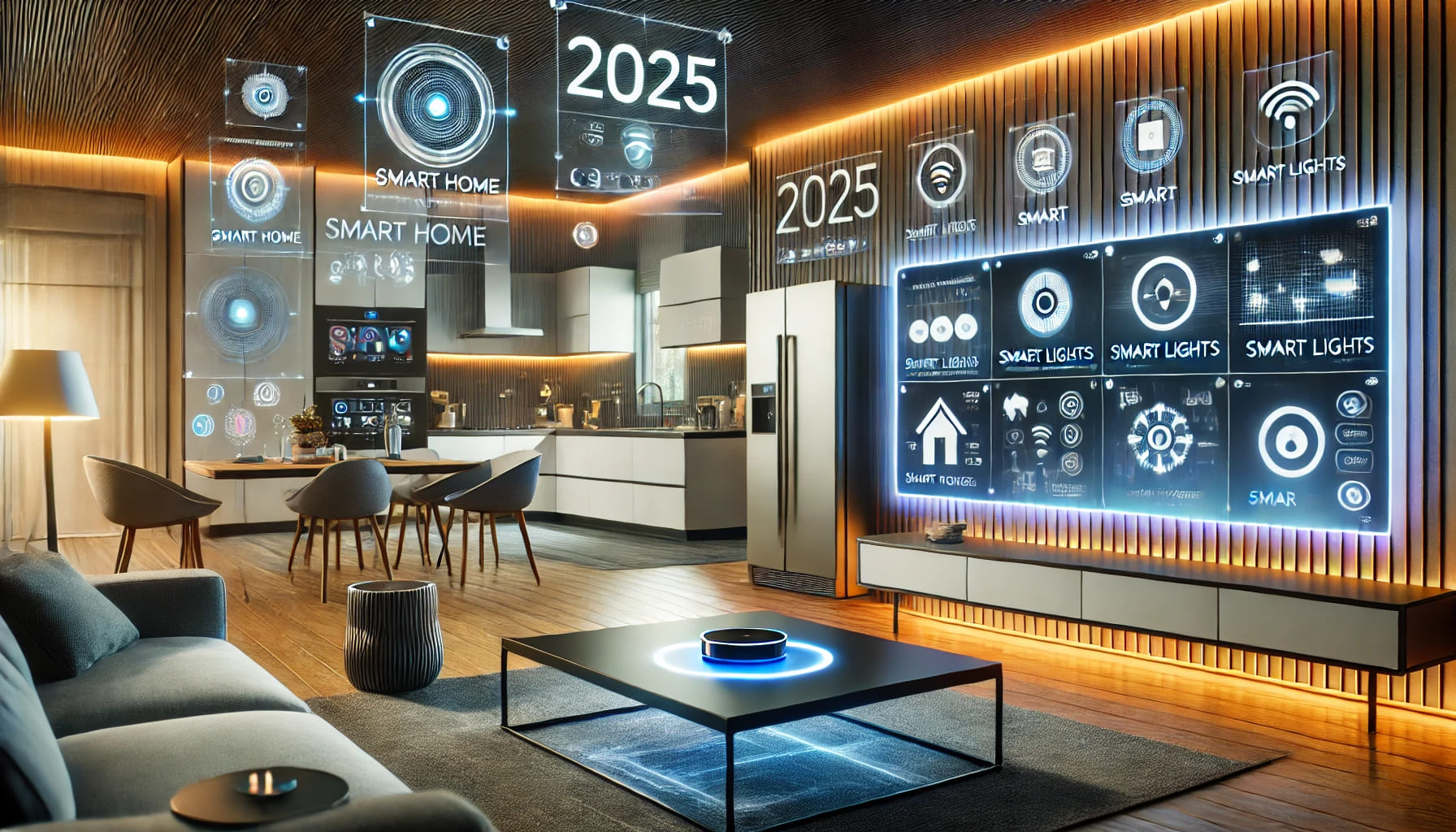
The concept of a smart home, once considered futuristic, has now become a tangible reality. With rapid advancements in technology, homes are becoming increasingly intelligent, connected, and capable of responding to the needs of their occupants. In 2025, smart home devices are no longer limited to lighting or security systems; they have evolved into sophisticated systems that enhance comfort, convenience, security, and energy efficiency.
This article explores the best smart home devices for 2025, examining their features, benefits, and potential impact on daily life. From intelligent assistants to connected appliances, these devices demonstrate how technology is transforming modern living.
Understanding Smart Home Technology
A smart home is a residence equipped with devices that can be controlled remotely, automated, or adapted based on user preferences. These devices are typically connected through the internet and communicate via smart hubs, apps, or voice assistants. The main components of smart home technology include:
- Connectivity: Devices rely on Wi-Fi, Bluetooth, Zigbee, or Z-Wave protocols to connect with each other and with central control systems.
- Automation: Smart systems can perform tasks automatically based on schedules, sensor data, or user habits.
- Control Interfaces: Users can manage devices using mobile apps, voice commands, or integrated hubs.
- Artificial Intelligence: AI enhances device intelligence, enabling predictive actions, adaptive behaviors, and personalized responses.
Smart home technology aims to improve comfort, convenience, security, and energy efficiency while reducing manual effort and increasing control over home environments.
Intelligent Voice Assistants
Voice assistants have become the heart of smart homes, acting as the primary interface for controlling connected devices. In 2025, these systems are more intuitive, context-aware, and capable of managing complex home environments.
Features and Capabilities
- Natural Language Understanding: Advanced AI allows assistants to interpret complex requests, follow contextual conversations, and execute multi-step commands.
- Device Integration: Assistants can control lighting, thermostats, entertainment systems, security cameras, appliances, and more.
- Personalization: AI learns individual habits and preferences, providing recommendations, reminders, and proactive suggestions.
- Multilingual Support: Modern assistants understand multiple languages and regional dialects, expanding accessibility.
Popular Devices
- Amazon Echo Series: With improved AI, Echo devices manage extensive smart home networks while offering entertainment and productivity features.
- Google Nest Hub: Integrates AI, displays, and smart controls, enabling voice and touch interaction for comprehensive home management.
- Apple HomePod: Focuses on privacy-conscious voice control, seamless integration with Apple devices, and home automation.
Benefits
Voice assistants simplify daily routines, improve accessibility for all family members, and act as central control hubs, reducing the need for multiple apps or interfaces.
Smart Lighting Systems
Lighting is one of the most noticeable aspects of a smart home. Smart lighting systems in 2025 are energy-efficient, customizable, and responsive to environmental conditions and user preferences.
Features and Capabilities
- Remote Control: Adjust brightness, color temperature, and schedules using mobile apps or voice commands.
- Automation: Lights can activate based on time, occupancy, or environmental factors.
- Integration: Connects with security systems, entertainment setups, and energy management platforms.
- Mood and Wellness Enhancement: Circadian lighting adjusts color temperature to support sleep cycles, productivity, and mood.
Popular Devices
- Philips Hue Series: Offers customizable lighting with adaptive routines and entertainment synchronization.
- LIFX Smart Bulbs: Wi-Fi enabled, with advanced color control, scheduling, and energy monitoring.
- Nanoleaf Panels: Modular design providing dynamic light displays, patterns, and interactive lighting experiences.
Benefits
Smart lighting enhances comfort, supports health, reduces energy consumption, and allows for creative expression in home decor.
Smart Security and Surveillance Systems
Safety is a primary concern for homeowners, and smart security systems offer real-time protection and peace of mind. In 2025, these systems are more sophisticated, combining AI analysis, remote monitoring, and automated responses.
Features and Capabilities
- AI-Powered Detection: Advanced cameras and sensors recognize faces, identify unusual activity, and reduce false alarms.
- Remote Monitoring: Homeowners can view live feeds, receive alerts, and control security devices from anywhere.
- Automation: Integration with smart locks, lights, and alarms allows automated responses to detected threats.
- Data Privacy: Enhanced encryption and secure cloud storage protect personal data from unauthorized access.
Popular Devices
- Ring Alarm and Cameras: Comprehensive security solutions with intelligent alerts and neighborhood integration.
- Arlo Ultra Cameras: Offer high-resolution video, night vision, and AI detection of people, vehicles, and animals.
- Nest Secure: Integrates alarms, cameras, and sensors with intelligent automation and mobile app control.
Benefits
Smart security systems increase safety, allow proactive monitoring, and reduce the need for physical security presence, making homes safer and more secure.
Smart Thermostats and Climate Control
Smart thermostats are transforming home energy management by providing intelligent temperature control, energy efficiency, and personalized comfort.
Features and Capabilities
- Adaptive Learning: AI learns household schedules and preferences to adjust heating and cooling automatically.
- Remote Control: Homeowners can manage climate from anywhere using apps or voice assistants.
- Energy Optimization: Systems track energy consumption, provide insights, and suggest efficiency improvements.
- Integration with Smart Devices: Climate control integrates with smart windows, fans, and lighting for enhanced comfort and efficiency.
Popular Devices
- Nest Learning Thermostat: Learns habits, predicts usage patterns, and optimizes energy consumption.
- Ecobee SmartThermostat: Includes voice control, occupancy detection, and energy-saving suggestions.
- Honeywell Home Thermostats: Offers reliable smart climate control with intuitive interfaces and app integration.
Benefits
Smart thermostats reduce energy costs, enhance comfort, and contribute to environmental sustainability while providing convenient control over home climates.
Smart Appliances
The next generation of home appliances combines intelligence, connectivity, and automation to simplify daily chores and improve efficiency.
Features and Capabilities
- Connectivity and Control: Appliances can be operated remotely via mobile apps or integrated smart hubs.
- AI Assistance: Predictive functions adjust settings based on habits and preferences, optimizing performance.
- Energy Efficiency: Smart appliances monitor energy usage and provide recommendations to reduce consumption.
- Integration with Ecosystem: Devices communicate with other smart home systems for seamless automation.
Popular Devices
- Smart Refrigerators: Monitor food inventory, suggest recipes, and manage grocery lists.
- Robot Vacuums: Navigate homes efficiently, learn layouts, and provide scheduled cleaning.
- Smart Washers and Dryers: Optimize washing cycles, reduce water and energy usage, and notify users when tasks are complete.
- Smart Ovens and Coffee Makers: Enable remote cooking, scheduling, and integration with voice assistants.
Benefits
Smart appliances save time, reduce manual effort, increase efficiency, and enhance lifestyle convenience.
Future Trends in Smart Home Technology
The smart home industry is evolving rapidly, with emerging trends shaping the next generation of devices:
- Interconnected Ecosystems: Devices from different brands will communicate seamlessly, creating unified home networks.
- AI and Predictive Automation: AI will anticipate user needs, adapting devices automatically without user input.
- Enhanced Security and Privacy: With increasing connectivity, manufacturers will prioritize encryption, authentication, and secure data storage.
- Energy Sustainability: Smart homes will focus on renewable energy integration, smart grids, and environmentally conscious automation.
- Healthcare and Wellness Integration: Wearables, sensors, and appliances will monitor health metrics and support proactive wellness management.
These trends indicate that smart homes of the future will be more intuitive, responsive, and personalized, transforming not only convenience but also health, energy efficiency, and overall quality of life.
Challenges and Considerations
While smart home technology offers numerous benefits, users should be aware of challenges:
- Privacy Concerns: Connected devices collect significant data, requiring responsible usage and security measures.
- Interoperability Issues: Devices from different brands may face compatibility challenges, emphasizing the need for universal standards.
- Cost and Accessibility: High-quality smart home devices can be expensive, although prices are gradually becoming more affordable.
- Complexity: Initial setup and configuration may be challenging for non-technical users, though modern devices aim to simplify this process.
Addressing these considerations ensures that homeowners enjoy the full benefits of smart homes without compromising security, privacy, or usability.