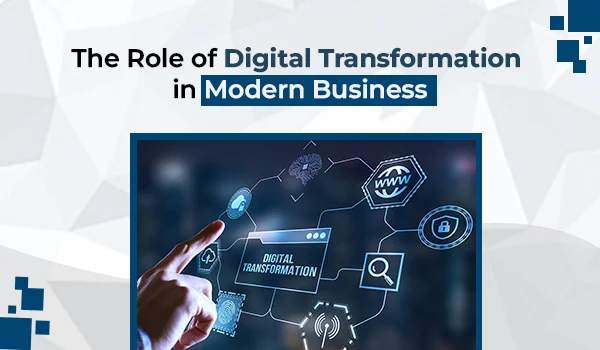
Digital transformation has become a defining priority for modern enterprises seeking relevance, resilience, and long term growth. It is no longer limited to adopting new tools or upgrading systems. Instead, it represents a fundamental shift in how organizations think, operate, and deliver value. Successful digital transformation aligns technology with strategy, culture, and customer expectations, creating enterprises that are adaptable and future ready.
This article explores how modern enterprises can approach digital transformation strategically, focusing on mindset, leadership, processes, and technology integration. Rather than treating transformation as a one time initiative, it presents it as an ongoing journey shaped by continuous learning and innovation.
Rethinking the Meaning of Digital Transformation
At its core, digital transformation is about reimagining how an enterprise functions in a digitally connected world. It goes beyond automation and efficiency to include new ways of creating value, engaging customers, and empowering employees.
Modern enterprises operate in environments defined by rapid change, global competition, and rising expectations. Customers expect seamless experiences, employees expect flexible and meaningful work, and stakeholders expect transparency and agility. Digital transformation responds to these pressures by enabling organizations to sense change early and respond effectively.
A clear understanding of purpose is essential. Enterprises that succeed digitally begin by identifying what transformation means for their specific context. Technology becomes a tool to support business objectives rather than a goal in itself.
Leadership and Vision as the Foundation
Strong leadership is the cornerstone of any successful transformation strategy. Digital initiatives require direction, commitment, and the ability to align diverse teams around a shared vision.
Leaders must articulate why transformation matters and how it supports the organization’s mission. This vision should be communicated consistently, connecting digital efforts to real outcomes such as improved customer experience, operational resilience, and sustainable growth.
Equally important is leadership behavior. Leaders who embrace learning, experimentation, and collaboration set the tone for the entire organization. By modeling openness to change, they reduce resistance and encourage innovation at every level.
Building a Culture That Embraces Change
Culture plays a decisive role in digital transformation. Even the most advanced technologies will fail to deliver value if organizational culture resists change.
A digitally mature culture values curiosity, adaptability, and shared responsibility. Employees are encouraged to question existing processes, propose improvements, and learn new skills. Mistakes are treated as opportunities for learning rather than reasons for punishment.
Collaboration across departments is especially important. Digital transformation often cuts across traditional boundaries, requiring teams from technology, operations, marketing, and leadership to work together. Enterprises that foster trust and open communication are better positioned to innovate effectively.
Customer Centric Transformation Strategies
Modern digital strategies place the customer at the center of decision making. Technology enables enterprises to understand customer needs more deeply and respond with personalized, consistent experiences.
Customer centric transformation begins with mapping the customer journey. By identifying pain points and moments of friction, organizations can prioritize digital initiatives that deliver meaningful improvements.
Data plays a key role in this process. When used responsibly, data provides insights into behavior, preferences, and expectations. These insights inform product design, service delivery, and communication strategies, helping enterprises build stronger relationships with their audiences.
Modernizing Processes and Operations
Operational efficiency remains an important driver of digital transformation, but the goal is flexibility rather than rigid optimization. Modern enterprises need processes that can adapt quickly to new conditions.
Digitally enabled workflows reduce manual effort, improve accuracy, and increase visibility across operations. Automation, intelligent systems, and integrated platforms allow teams to focus on higher value activities that require judgment and creativity.
Process modernization should be approached incrementally. By starting with high impact areas and scaling successful initiatives, enterprises can manage risk while building momentum.
Data as a Strategic Asset
Data has become one of the most valuable resources in the modern enterprise. Effective digital transformation strategies treat data as a strategic asset rather than a byproduct of operations.
This requires clear governance, quality standards, and ethical guidelines. Enterprises must ensure that data is accurate, accessible, and secure, while respecting privacy and regulatory requirements.
When managed well, data supports better decision making at every level. Leaders gain visibility into performance, teams gain insights into their work, and customers benefit from more relevant and responsive services.
Technology Integration and Platform Thinking
Rather than adopting isolated tools, modern enterprises benefit from platform based approaches to technology. Integrated systems enable information to flow across the organization, reducing silos and duplication.
Cloud based infrastructure, modular architectures, and interoperable applications support scalability and innovation. They allow enterprises to introduce new capabilities without disrupting existing operations.
Technology integration should be guided by business priorities. Each investment should support clear outcomes, whether improving customer experience, enhancing resilience, or enabling new business models.
Empowering the Workforce Through Digital Skills
People remain at the heart of digital transformation. Technology can enhance productivity and creativity, but only when employees are equipped with the skills and confidence to use it effectively.
Modern enterprises invest in continuous learning, offering opportunities to develop digital literacy, analytical thinking, and collaborative skills. Training programs should be practical, accessible, and aligned with real work challenges.
Empowerment also involves giving employees a voice in transformation efforts. When people are involved in shaping digital initiatives, they are more likely to support and sustain change.
Managing Risk and Ensuring Resilience
Digital transformation introduces new risks alongside new opportunities. Cybersecurity, system reliability, and compliance must be addressed as integral parts of strategy.
Resilient enterprises design security and risk management into their systems from the beginning. This includes clear policies, regular assessments, and a culture of shared responsibility.
Preparedness is equally important. By building flexible architectures and response plans, enterprises can adapt quickly to disruptions while maintaining continuity.
Measuring Progress and Sustaining Momentum
Transformation efforts must be guided by meaningful measurement. Rather than focusing solely on technical milestones, enterprises should assess progress based on business impact and user experience.
Regular reflection helps organizations adjust strategies, learn from outcomes, and identify new opportunities. Digital transformation is not a destination but an evolving capability.
Sustaining momentum requires ongoing leadership attention and investment. As technologies and markets continue to evolve, enterprises must remain committed to learning and adaptation.
The Future of the Digitally Transformed Enterprise
The modern enterprise of the future will be defined by its ability to learn and respond continuously. Digital transformation enables organizations to sense change, experiment with solutions, and scale what works.
Rather than rigid hierarchies, future enterprises will emphasize networks of collaboration. Decision making will be informed by real time insights, and innovation will emerge from diverse teams working together.
Technology will fade into the background, becoming an invisible enabler of better experiences and outcomes. What will stand out is the organization’s capacity to align digital capabilities with human values.