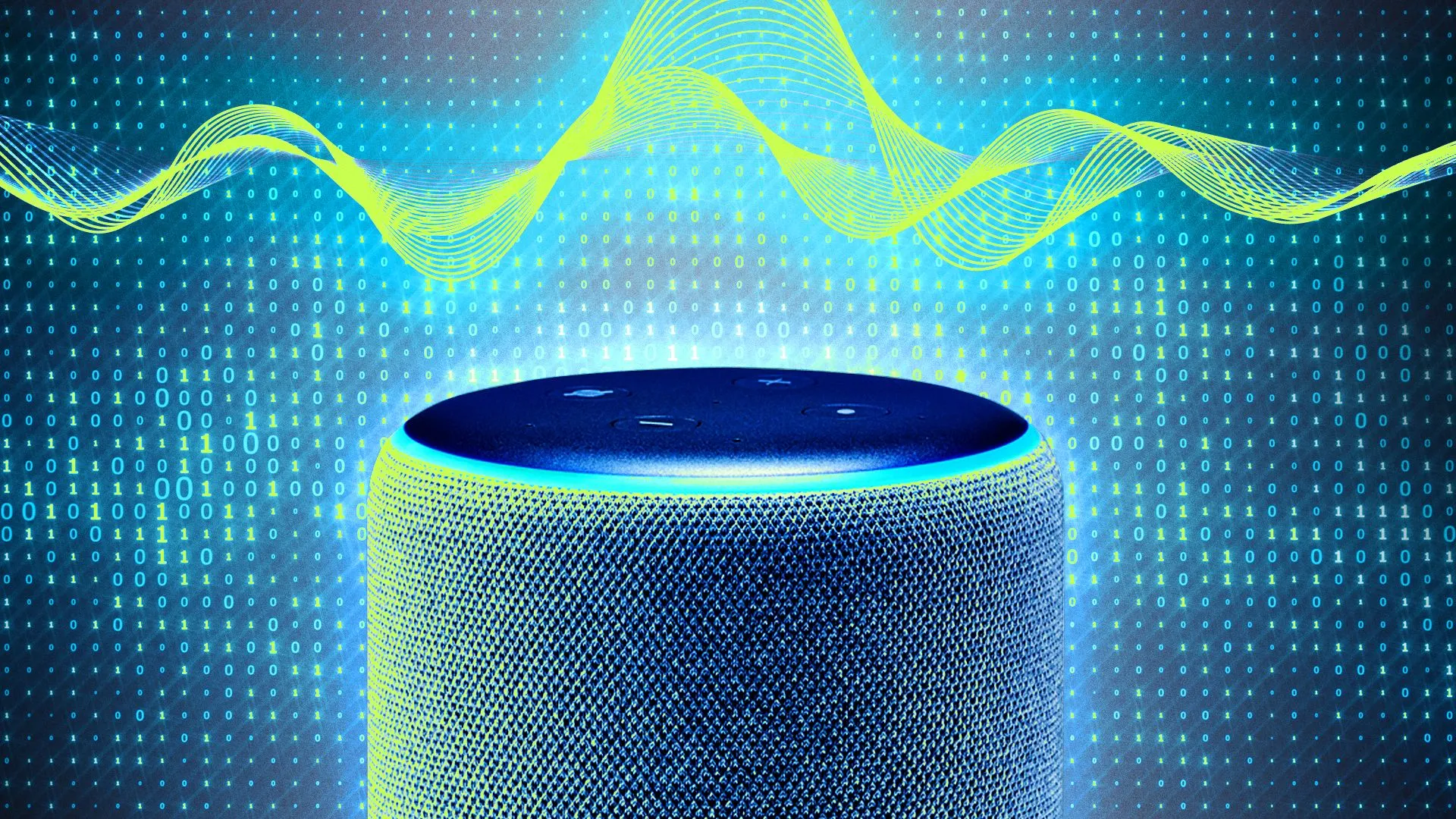
Artificial intelligence has increasingly become a part of our daily lives, with AI assistants such as Siri, Alexa, and Google Assistant transforming the way we interact with technology. These virtual assistants help manage tasks, answer questions, control smart devices, and provide personalized experiences. However, the future of AI assistants goes far beyond current capabilities. With advances in natural language processing, machine learning, context awareness, and emotional intelligence, AI assistants are set to become far more intuitive, adaptive, and integrated into both personal and professional environments.
This article explores the evolution of AI assistants, their current limitations, emerging trends, and the potential applications that will define the next generation of AI helpers. By examining technological innovations, societal impacts, and ethical considerations, readers can gain a comprehensive understanding of what lies ahead in the world of AI assistants.
Understanding AI Assistants Today
AI assistants are software agents designed to perform tasks, provide information, and interact with users in a human-like manner. Modern assistants rely on advanced algorithms in natural language processing, speech recognition, and machine learning to understand user commands and provide responses.
Current AI assistants excel at tasks such as:
- Setting reminders, alarms, and calendar events
- Providing weather forecasts, news updates, and traffic information
- Controlling smart home devices like lights, thermostats, and security systems
- Answering questions using web searches or connected databases
- Facilitating hands-free communication through messaging and calls
Despite these capabilities, today’s AI assistants have limitations. They often struggle with complex contextual understanding, multi-turn conversations, and tasks that require emotional intelligence or nuanced judgment. These limitations highlight the potential for future advancements.
The Evolution of AI Assistants
AI assistants have undergone significant evolution since their inception. Early virtual assistants were rule-based systems, relying on fixed commands and scripted responses. These systems lacked flexibility and required precise phrasing to function effectively.
The integration of machine learning and natural language processing enabled assistants to understand conversational language, predict user needs, and adapt to preferences. Voice recognition, context awareness, and cloud-based learning further enhanced their usability.
Key milestones in AI assistant evolution include:
- Rule-Based Systems: Early chatbots and command-based assistants with limited understanding.
- Voice-Activated Assistants: Introduction of voice recognition technology, enabling hands-free interaction.
- Contextual Awareness: Use of machine learning to understand user habits and preferences.
- Conversational AI: Development of AI capable of multi-turn dialogue and natural interactions.
The future promises AI assistants that are more proactive, adaptive, and seamlessly integrated into daily life.
Emerging Trends in AI Assistants
Several technological trends are shaping the next generation of AI assistants, extending their capabilities beyond simple voice commands.
Advanced Natural Language Understanding
Future AI assistants will possess deeper natural language understanding, enabling them to comprehend complex queries, multi-step instructions, and nuanced conversational contexts. This will allow them to engage in more meaningful dialogues and provide relevant, context-aware responses.
Emotional Intelligence and Empathy
Integrating emotional intelligence into AI assistants will allow them to detect user emotions through speech patterns, text input, and facial expressions. This capability can improve customer service, mental health support, and personalized recommendations, making AI assistants more human-like and empathetic.
Personalization and Predictive Assistance
AI assistants of the future will proactively anticipate user needs, providing suggestions and performing tasks before being explicitly asked. By analyzing behavioral data, routines, and preferences, these assistants will deliver highly personalized experiences in areas such as scheduling, content recommendations, and lifestyle management.
Multimodal Interaction
Future assistants will seamlessly combine voice, text, gesture, and visual recognition, enabling richer and more natural interactions. Users will be able to communicate through multiple channels simultaneously, and AI assistants will interpret these inputs cohesively to provide accurate responses.
Enhanced Integration with IoT and Smart Environments
AI assistants will become central hubs for smart homes, workplaces, and cities. By integrating with IoT devices, they can control environments intelligently, optimize energy usage, manage security systems, and even anticipate maintenance needs, creating truly intelligent living and working spaces.
Collaborative and Task-Oriented AI
Beyond personal assistance, AI will facilitate collaboration by managing projects, coordinating teams, and automating workflows. Future assistants may act as digital partners, supporting productivity, decision-making, and operational efficiency in professional settings.
Potential Applications of Next-Generation AI Assistants
The evolution of AI assistants will have transformative effects across multiple domains, including personal life, business, healthcare, and education.
Personal Life
AI assistants will anticipate user needs, manage schedules, and provide lifestyle guidance. They may suggest meal plans based on dietary preferences, recommend personalized entertainment, or alert users to important events. Emotional intelligence will allow these assistants to offer support in moments of stress or anxiety.
Business and Productivity
In professional settings, AI assistants will manage tasks, coordinate teams, and optimize workflows. They will help in scheduling meetings, drafting emails, generating reports, and analyzing data, acting as digital collaborators to enhance productivity.
Healthcare
AI assistants will assist patients and healthcare providers by monitoring vital signs, tracking medication schedules, and offering preliminary medical guidance. Emotional intelligence capabilities may also provide support for mental health, stress management, and patient counseling.
Education
AI assistants will revolutionize learning by providing personalized tutoring, managing study schedules, and answering student questions in real-time. They may offer adaptive learning paths tailored to individual strengths and weaknesses, enhancing engagement and knowledge retention.
Smart Environments
Integration with IoT devices will enable AI assistants to create responsive and intelligent environments. In smart homes, they will control lighting, heating, and security systems. In smart cities, they may optimize traffic flow, monitor energy consumption, and provide public services efficiently.
Ethical and Privacy Considerations
As AI assistants become more capable and integrated, ethical and privacy concerns will intensify.
- Data Privacy: Advanced assistants require access to sensitive personal data. Ensuring secure handling and compliance with privacy regulations will be essential.
- Bias and Fairness: AI assistants must be trained on diverse and unbiased datasets to avoid reinforcing stereotypes or discrimination.
- Autonomy and Control: Users must retain control over AI assistants to prevent unwanted surveillance or overreach.
- Accountability: Clear guidelines are necessary to determine responsibility in cases where AI-driven actions result in harm or errors.
Balancing innovation with ethical responsibility will be critical to the widespread adoption of next-generation AI assistants.
Challenges to Overcome
Despite rapid advancements, several challenges remain in realizing the full potential of AI assistants:
- Contextual Understanding: Achieving human-like understanding of context, sarcasm, and intent remains a complex problem.
- Integration Complexity: Coordinating multiple devices, platforms, and data sources requires robust interoperability solutions.
- Resource Requirements: Advanced AI assistants demand significant computational power, storage, and energy efficiency.
- User Trust: Gaining user trust in autonomous, emotionally intelligent systems requires transparency, reliability, and ethical operation.
Addressing these challenges will determine the pace and scope of AI assistant adoption in the future.
The Future Outlook
The future of AI assistants promises a shift from reactive, task-focused tools to proactive, intelligent partners capable of understanding, predicting, and collaborating. Key trends in this evolution include:
- AI assistants will move beyond simple commands to participate in strategic decision-making and life planning.
- Emotional intelligence and empathy will make interactions more human-centric and meaningful.
- Seamless integration with smart devices and environments will create holistic, adaptive ecosystems.
- Collaborative AI assistants will enhance productivity, creativity, and learning in personal and professional contexts.
Ultimately, the next generation of AI assistants will redefine the relationship between humans and technology, making everyday life more efficient, personalized, and connected.