Wearable technology has rapidly evolved from novelty gadgets to essential tools that enhance daily life, health, fitness, productivity, and entertainment. In today’s world, wearable devices are not only accessories but also powerful mini-computers capable of tracking health metrics, providing real-time notifications, enabling mobile communication, and integrating seamlessly with smart home and IoT ecosystems.
As technology advances, wearable gadgets are becoming more sophisticated, stylish, and indispensable. This article explores the top wearable tech gadgets you must know about, their features, benefits, applications, and how they are reshaping lifestyles, health management, and personal productivity.
Understanding Wearable Technology
Wearable technology refers to electronic devices designed to be worn on the body, often equipped with sensors, connectivity features, and intelligent software. Unlike traditional gadgets, wearables are in constant contact with the user, collecting data and providing feedback in real time.
The evolution of wearable tech began with simple pedometers and fitness trackers. Over time, these devices incorporated advanced sensors, wireless communication, artificial intelligence, and integration with mobile and cloud platforms. Today’s wearables serve a variety of functions, from monitoring health and fitness to supporting augmented reality experiences and communication.
Key Features of Modern Wearable Devices
Modern wearable devices combine hardware, software, and connectivity to deliver a wide range of features:
- Health and Fitness Tracking: Sensors measure heart rate, blood oxygen, steps, sleep quality, calories burned, and even stress levels.
- Connectivity and Notifications: Wearables can sync with smartphones to provide calls, messages, emails, and app alerts on the device.
- GPS and Location Services: Integrated GPS allows activity tracking, navigation, and location-based alerts.
- Smart Payments: Many wearables support contactless payment systems, allowing secure transactions directly from the device.
- Voice Assistants: Integration with AI assistants enables hands-free control, reminders, and smart home management.
- Durability and Design: Modern wearables are designed to be waterproof, lightweight, and stylish, suitable for everyday wear.
Top Wearable Tech Gadgets in 2025
The wearable technology market is diverse, offering gadgets for fitness enthusiasts, health-conscious individuals, tech-savvy users, and professionals seeking productivity enhancements. Here are the top wearable tech gadgets that are shaping 2025:
Smartwatches
Smartwatches remain the cornerstone of wearable technology. Devices like the latest Apple Watch, Samsung Galaxy Watch, and Garmin smartwatches offer a combination of health tracking, notifications, mobile payments, and personal assistant features.
- Health Monitoring: Continuous heart rate, ECG, sleep tracking, and blood oxygen measurement.
- Activity Tracking: Steps, calories, workouts, and GPS-enabled running or cycling tracking.
- Notifications and Calls: Syncs with smartphones to provide messages, calls, and app alerts.
- Customization: Variety of watch faces, bands, and software apps allow personalization.
Smartwatches have expanded beyond fitness to become comprehensive lifestyle devices, supporting telemedicine consultations, fitness coaching, and even emergency alerts.
Fitness Bands
Fitness bands, or activity trackers, focus primarily on health and exercise. Devices like Fitbit Charge and Xiaomi Mi Band provide robust tracking at a more affordable price point than full-featured smartwatches.
- Step Counting and Activity Tracking: Tracks daily steps, distance, and exercise routines.
- Heart Rate and Sleep Monitoring: Provides insights into health trends over time.
- Water Resistance: Many are suitable for swimming or showering.
- Long Battery Life: Fitness bands typically last days or weeks without charging.
These devices appeal to users looking for affordable, dedicated fitness monitoring without the complexity of a smartwatch.
Smart Glasses
Smart glasses represent the next frontier of wearable tech, blending augmented reality (AR), virtual reality (VR), and connectivity. Devices like the Nreal Air, Vuzix Blade, and Ray-Ban Stories enable users to access information, capture media, and interact with digital content hands-free.
- AR Overlays: Provides contextual information on the environment, navigation, and notifications.
- Camera Integration: Capture photos and videos discreetly.
- Media and Communication: Stream music, watch videos, or take calls directly from the glasses.
- Professional Applications: Useful in healthcare, logistics, engineering, and remote collaboration.
Smart glasses enhance productivity, entertainment, and immersive experiences, representing a significant evolution beyond traditional wearables.
Smart Rings
Smart rings, such as the Oura Ring and Motiv Ring, offer compact wearable technology for health and activity tracking. These devices are ideal for users who prefer subtle wearables without bulky screens.
- Health Insights: Tracks heart rate, sleep quality, temperature, and activity levels.
- Battery Life: Often lasts multiple days with a single charge.
- Discreet Notifications: Some smart rings provide vibration alerts for calls or messages.
- Integration with Apps: Syncs data with smartphones for detailed analytics.
Smart rings demonstrate that wearable technology can be elegant, unobtrusive, and functional.
Wearable Fitness Clothing
Beyond devices, wearable tech has expanded into clothing and accessories embedded with sensors. Smart shirts, socks, and shoes can monitor muscle activity, posture, and biomechanics for advanced fitness and rehabilitation.
- Real-Time Biometric Data: Tracks heart rate, muscle engagement, and body temperature.
- Performance Optimization: Provides insights for athletes to improve technique and prevent injury.
- Integration with Apps: Data syncs with smartphones or computers for analysis and feedback.
Wearable clothing bridges fashion, technology, and fitness, offering a seamless way to monitor health and performance.
VR and AR Headsets
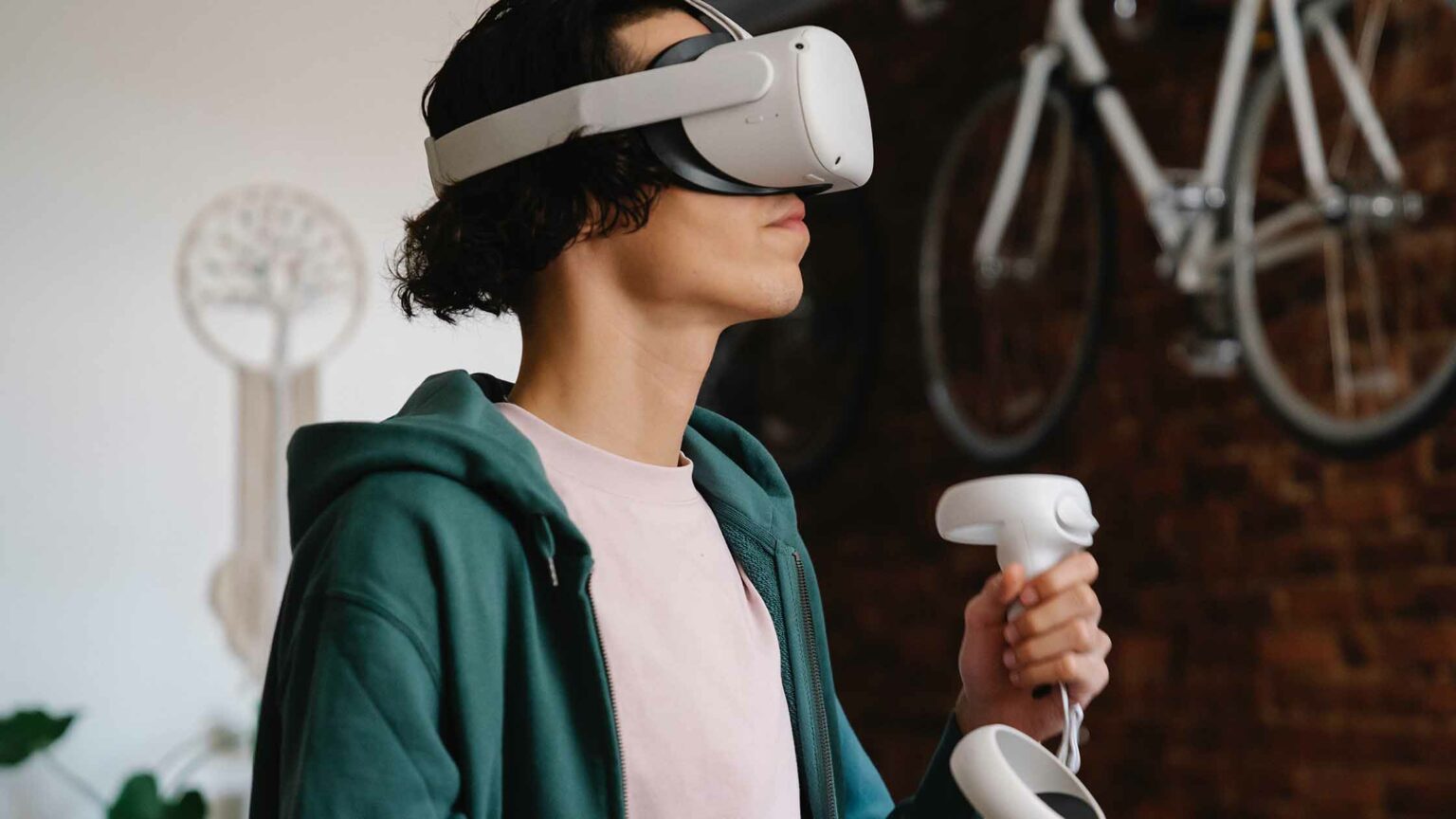
Virtual reality and augmented reality headsets are wearable devices that create immersive experiences for gaming, education, training, and professional applications. Devices like Meta Quest, HTC Vive, and Microsoft HoloLens provide high-resolution visuals, motion tracking, and interactive interfaces.
- Immersive Gaming and Entertainment: Offers lifelike simulations and virtual experiences.
- Education and Training: Enables virtual classrooms, simulations, and skill development.
- Professional Applications: Architecture, medical training, and remote collaboration benefit from immersive visualization.
VR and AR headsets are transforming how users interact with digital content and learn new skills.
Hearables
Hearables, or smart earbuds, combine audio playback with health tracking, communication, and AI integration. Products like Apple AirPods Pro, Bose Frames, and Samsung Galaxy Buds provide intelligent audio solutions.
- Noise Cancellation and Sound Quality: Enhances audio experience in various environments.
- Health Monitoring: Some models track heart rate and fitness activity.
- Voice Assistance: Hands-free AI interaction for reminders, queries, and calls.
- Language Translation: Real-time translation for global communication.
Hearables blend audio technology with wearable intelligence, offering both convenience and functionality.
Smart Jewelry
Smart jewelry offers wearable technology with a focus on style and subtle functionality. Necklaces, bracelets, and earrings can track wellness, provide notifications, or serve as emergency alert devices.
- Wellness Tracking: Monitors stress levels, sleep, and activity discreetly.
- Notifications and Alerts: Vibrations or LED signals for calls, messages, or reminders.
- Fashion Integration: Combines technology with aesthetics for daily wear.
Smart jewelry appeals to users who want technology without sacrificing elegance or style.
Benefits of Wearable Technology
Wearable tech gadgets provide numerous benefits that enhance daily life, health, and productivity:
- Health Monitoring: Continuous tracking of vital signs, activity, and sleep provides actionable insights.
- Fitness and Performance: Personalized feedback motivates users to achieve fitness goals.
- Convenience: Wearables offer hands-free access to communication, media, and payments.
- Safety and Security: Features like fall detection, emergency alerts, and location tracking enhance personal safety.
- Productivity: Wearables improve time management, task reminders, and real-time access to information.
- Connected Ecosystem: Integration with smart home devices, IoT, and mobile apps creates seamless digital experiences.
Challenges and Considerations
While wearable technology offers many advantages, users should consider potential challenges:
- Privacy and Security: Personal data collection raises concerns about unauthorized access or misuse.
- Battery Life: High functionality can lead to frequent charging requirements.
- Cost: Premium wearables can be expensive, though budget options exist.
- Data Accuracy: Sensor limitations may affect the accuracy of health or fitness data.
- User Adoption: Comfort, design, and ease of use influence long-term adoption.
Addressing these challenges is essential to ensure wearables provide reliable and secure experiences.
The Future of Wearable Technology
The future of wearable tech promises deeper integration with AI, IoT, healthcare, and entertainment. Emerging trends include:
- AI-Powered Wearables: Devices that predict health events, optimize fitness routines, and personalize experiences.
- Integration with Smart Homes: Wearables controlling home automation, lighting, security, and climate systems.
- Advanced Health Monitoring: Continuous glucose monitoring, stress analysis, and early disease detection.
- Augmented Reality Integration: Wearables enabling immersive AR experiences for work, learning, and entertainment.
- Sustainable and Flexible Wearables: Lightweight, eco-friendly, and flexible materials for comfort and durability.
As technology evolves, wearables will become even more essential for health, productivity, and everyday convenience.